We Tried Meta's $0.01 Image Model. It Is Now Inside Chat-O.
Published:
We had never tried Muse Image. Most of the images we make in Chat-O have come from Nano Banana and a few other models we know well. Then Meta launched Muse Image—an agentic image model at a flat $0.01 per image (now on OpenRouter)—and the price was too interesting to ignore. We put it through the same prompts we use ourselves and asked a few people who have no reason to care about model names. The announcement is here.
The short version: it is surprisingly capable, noticeably slower, and not always as tasteful. Here is what we saw, plus how to try it in Chat-O. (New here? Sign up free. New accounts start with 1,000 credits.)
The contenders
Meta Muse Image (meta/muse-image) is the first media model from Meta Superintelligence Labs. Instead of mapping prompts straight to pixels, it reasons first, breaking down multi-part briefs, refining its output, even invoking web search for factual accuracy. It also claims precise text rendering, historically the place where image models embarrass themselves. Flat price: $0.01 per image. More on the Meta developer page.
Nano Banana 2 (Google’s gemini-3.1-flash-image) is the engine we know best. Fast, faithful, and the reason our users keep coming back to image generation. Price is per-token, which works out to roughly $0.04 to $0.08 per image, four to eight times Muse.
How we tested
In total we generated about three hundred test images for this comparison, roughly half on each model, across several rounds. The final round, and the one that counts: ten prompts, one per model each. The prompts cover the spread of what image generation is actually for: typographic announcements, illustrations, characters, scenes, celebrations. Each prompt states plainly whether it wants exact quoted text (“must read exactly as specified”) or no text at all (“absolutely no text, no letters, no words anywhere in the image”).
One early lesson, worth sharing because it applies to every image model we have used: without an explicit text directive, both models invent copy. Ask for a phone with a chat on screen and you may get a full product announcement, complete with a fake availability pill. Ask for an onboarding scene and you may get a ribbon letterpressed across it. Neither prompt asked for a single letter. If you care about text, say exactly what you want—or explicitly say you want none.
Cost: no contest
Muse Image is $0.01 per image, period. Nano Banana 2 bills output tokens (listed at $0.00006 each), landing around $0.04 to $0.08 for a full-size image. When users generate images inside chats all day, that gap compounds fast. The same drawing budget goes four to eight times further on Muse.
Meta’s own chart makes the point visually: Muse Image sits alone on the cost-quality Pareto frontier, the cheapest model anywhere near its Elo:
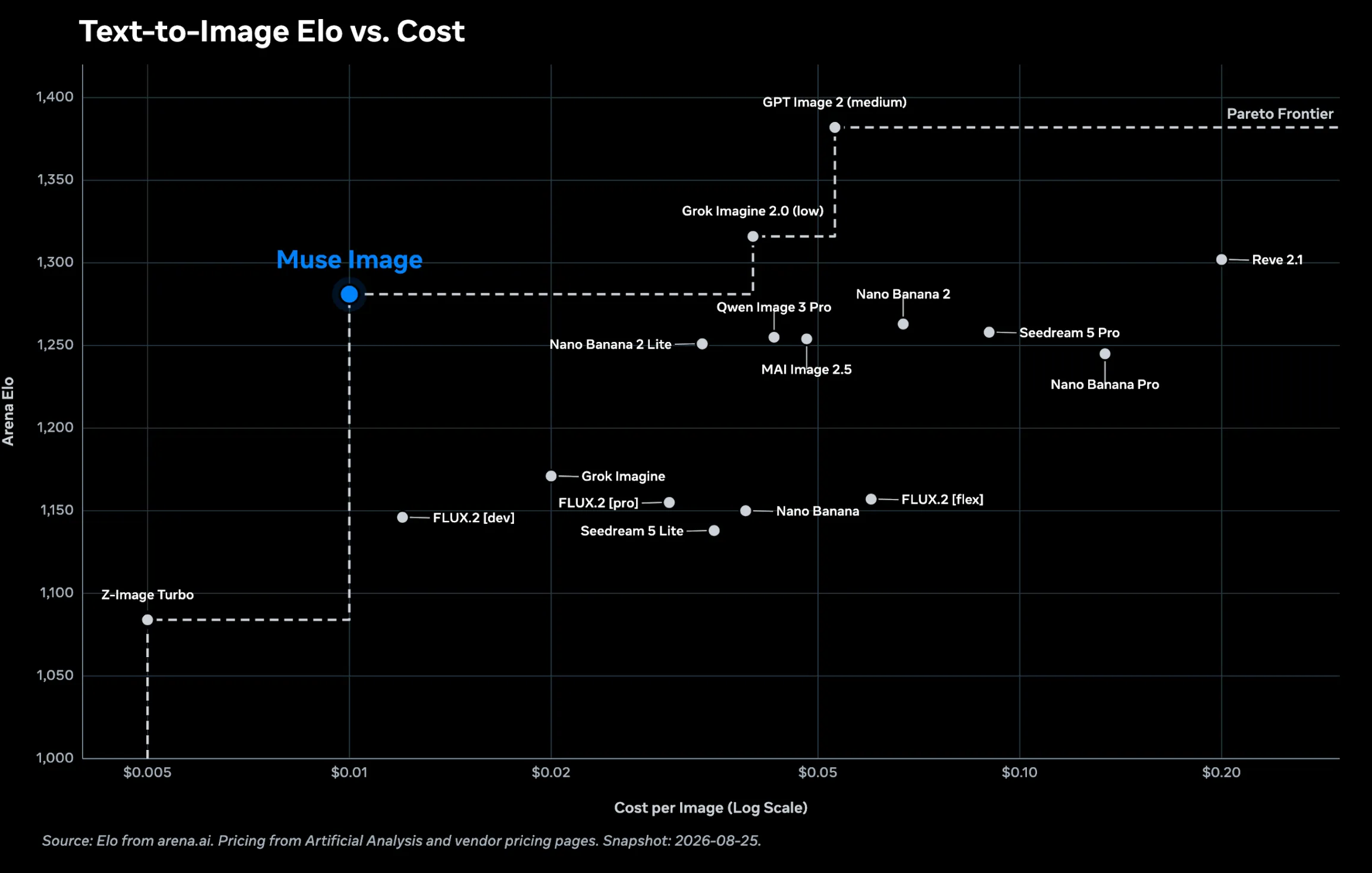
Chart: Meta. Elo from arena.ai, pricing from Artificial Analysis and vendor pages, snapshot August 25, 2026. Via the Muse Image announcement.
Speed: Banana, comfortably
Nano Banana returns an image in about 5 seconds. Muse Image took 9 to 25 seconds in our parallel runs, and its public P50 sits around 22 seconds. Drawing inside Chat-O is async. You ask, you keep chatting, the image arrives, so the wait never blocks anyone. But in a hurry, Banana still wins.
Quality: closer than the price suggests
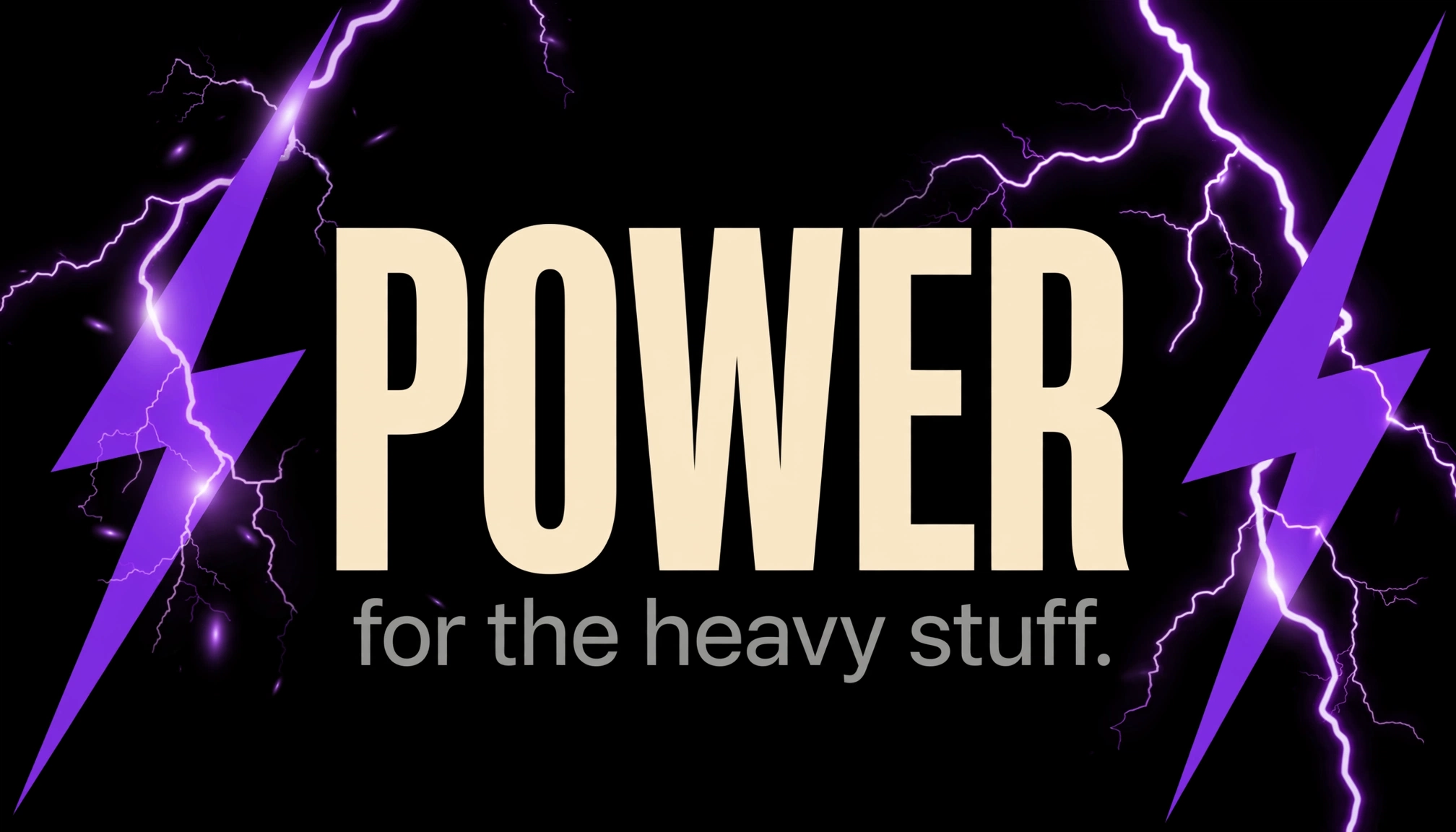
With explicit text directives, both models render quoted copy faithfully. We asked for the headline CHAT ROOMS with the subhead “many agents. one room.” Muse reproduced both letter-perfect; Banana got every letter and dropped the final period. A “POWER / for the heavy stuff.” test came back clean from both:
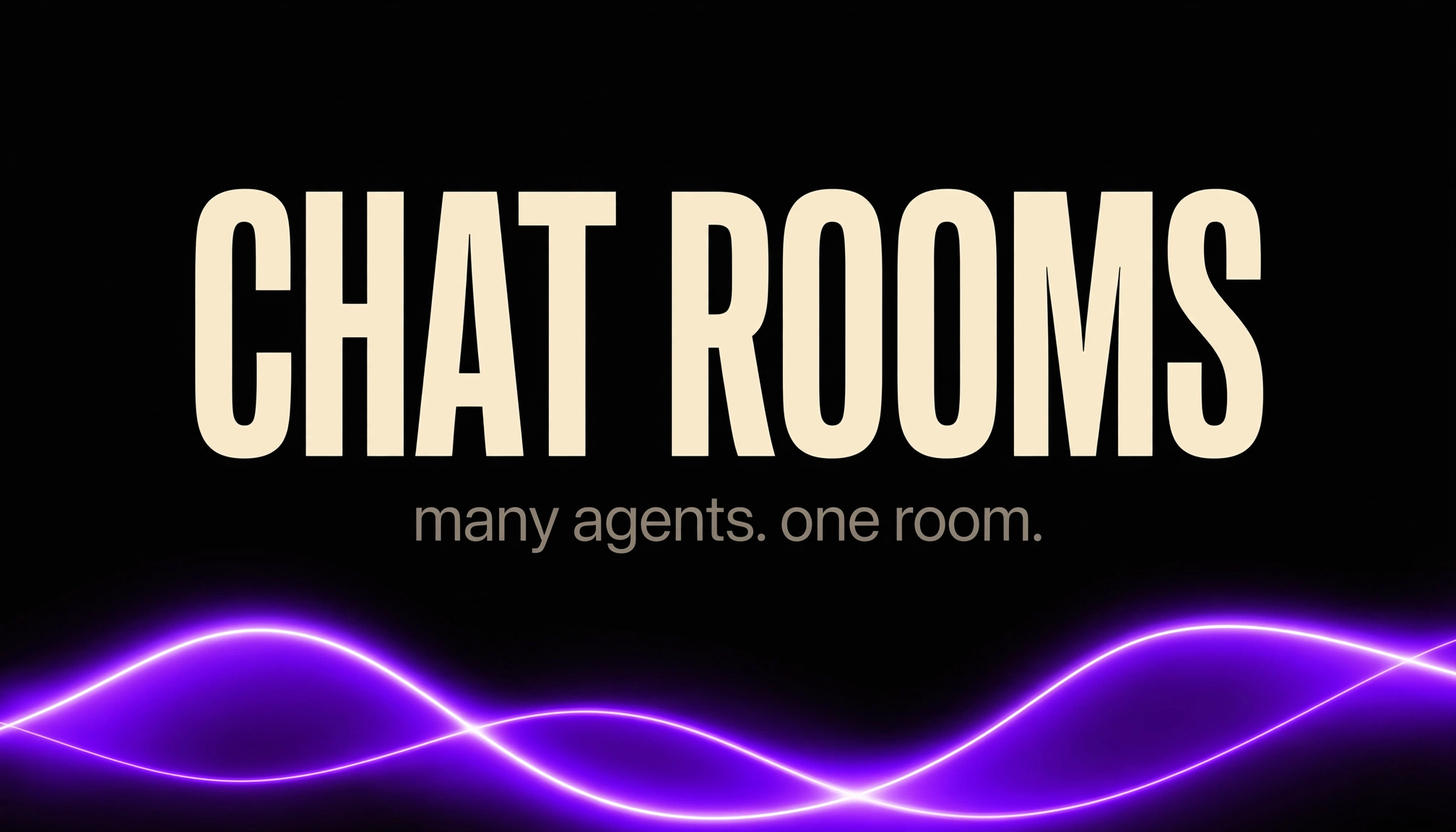
Muse Image: exact quoted text, first try.
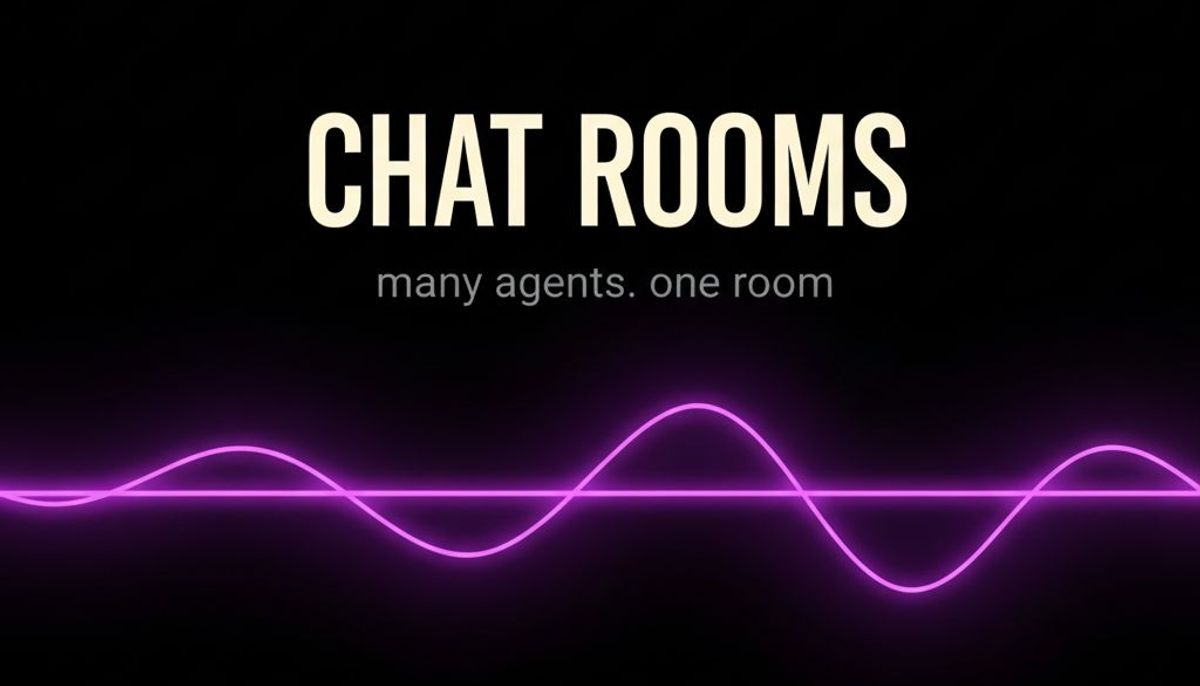
Nano Banana 2: same brief; note the missing final period.
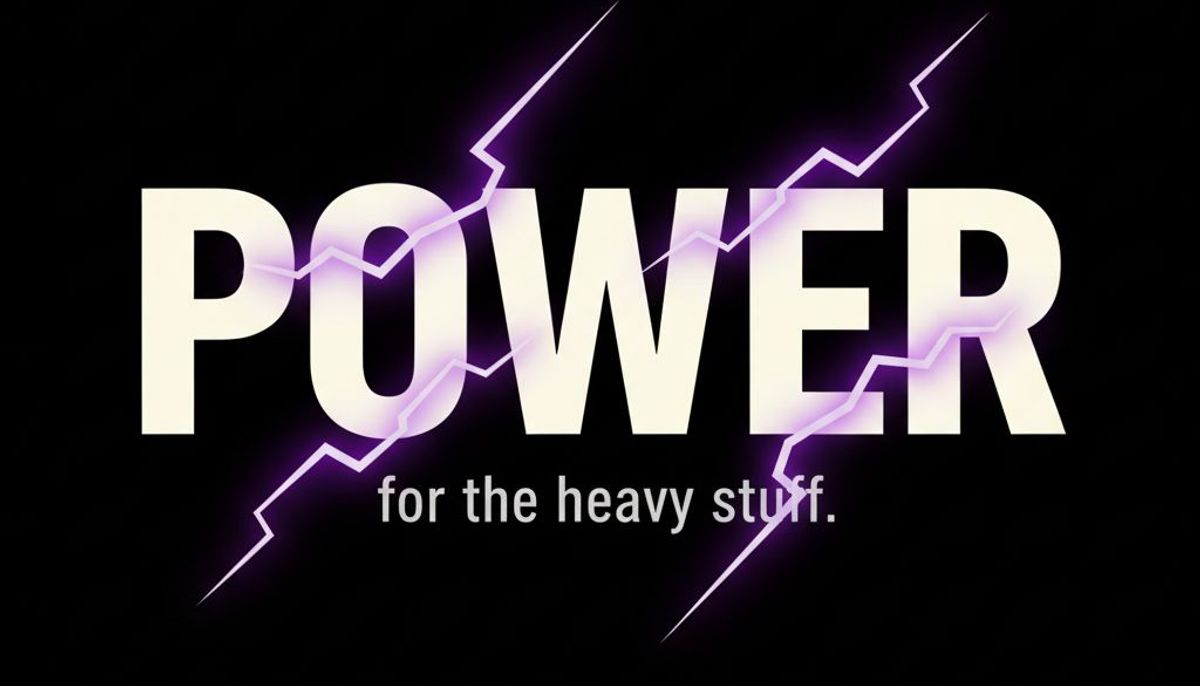
On no-text briefs, both mostly behaved. The explicit ban works far better than hoping. Across the full three hundred, text discipline was a prompting problem, not a model problem.
Where they differ is taste, and taste is where this story gets interesting.
The family verdict
I put the final ten pairs in front of my wife and son. No prices, no model names, no briefing—just, “Which do you like?” They both picked Nano Banana, quickly and for the same reason: the Muse ones look too AI-ish. Too much gloss, too much hyper-polished 3D sheen, too much everything-a-little-too-perfect glow. Banana’s output reads flatter, quieter, and more editorial—more like something a designer laid out.
I found this genuinely interesting because I liked both. On a spec sheet—text fidelity, composition, prompt adherence—it is close. But “AI-ish” is not a spec-sheet property. It is the uncanny residue of an engine showing off. Two people who were not trying to evaluate anything spotted in seconds what I had been rationalizing away across the comparisons: Muse renders beautifully, while Banana art-directs better.
We tried to prompt Muse out of it: flat editorial vector, muted palette, film grain, explicit bans on glossy 3D. It helped at the margins. But if your household test keeps failing, listen to the household.
In Chat-O today
Cost difference that large, quality this close, taste going the other way: the rational answer is both. Image generation inside Chat-O now offers two engines: the Replicate lineup and Meta Muse Image at about a cent a draw, switchable in Settings under Image Generation. Default stays where it was; Muse is there when you want eight images for the price of one Banana. Ask for a drawing in a regular chat and it goes straight to the canvas. Chat Rooms are still focused on text conversations for now, so they will not silently turn a room turn into an image request.
One honest footnote, since privacy is the thing we talk about most. Image prompts go to whichever engine you pick, under that provider’s data policy. Meta trains on data by default. Our own test prompts are the only thing we have sent there. If your chats stay on High Privacy, know what your image engine does with your words; the toggle is in the same Settings card.
Total damage for this investigation: about three hundred test images, roughly a hundred and fifty on each model, on the order of a dollar fifty on the Muse side. Totally worth it. The most useful part was learning, again, that the cheapest way to judge images is to ask someone who does not care about models at all.
Ready to draw? Sign up for Chat-O free. Your first 1,000 credits are on us, and Muse Image is one toggle away in Settings.
You may also like
- Muse Spark 1.3 Is Fast. The 21x-Cheaper Version Has a Catch. — the sibling Muse story: Meta’s coding model, its two prices, and the privacy catch.
- Chat Rooms: Put a Sounding Board in Every Chat — several AI minds, several points of view, one conversation.
- Chat-O now supports native image editing! — generate, then refine without leaving the chat.